Back to Blogs
The Man Who Chooses the Restaurant: Group Dining Dynamics and Category Buying
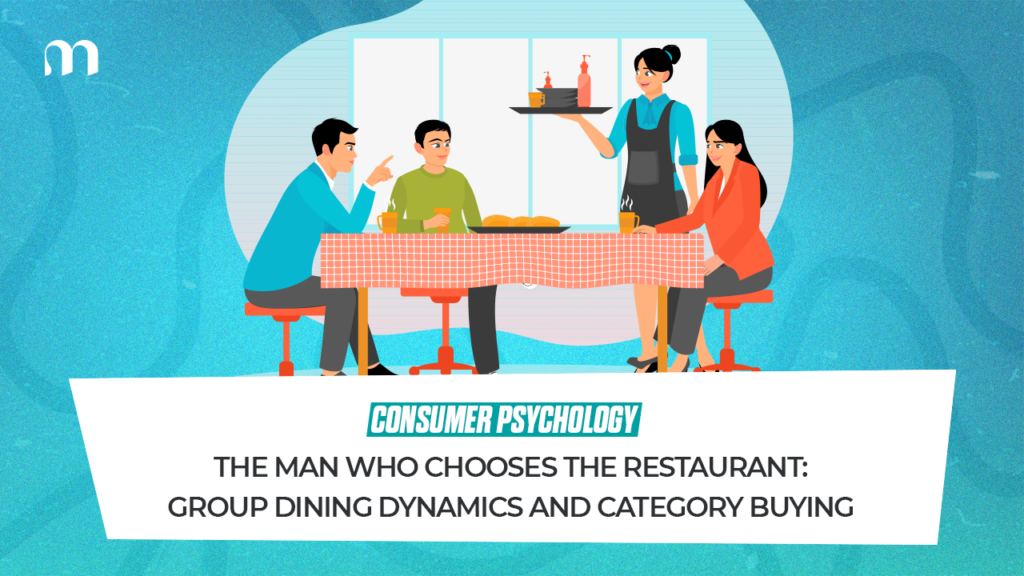
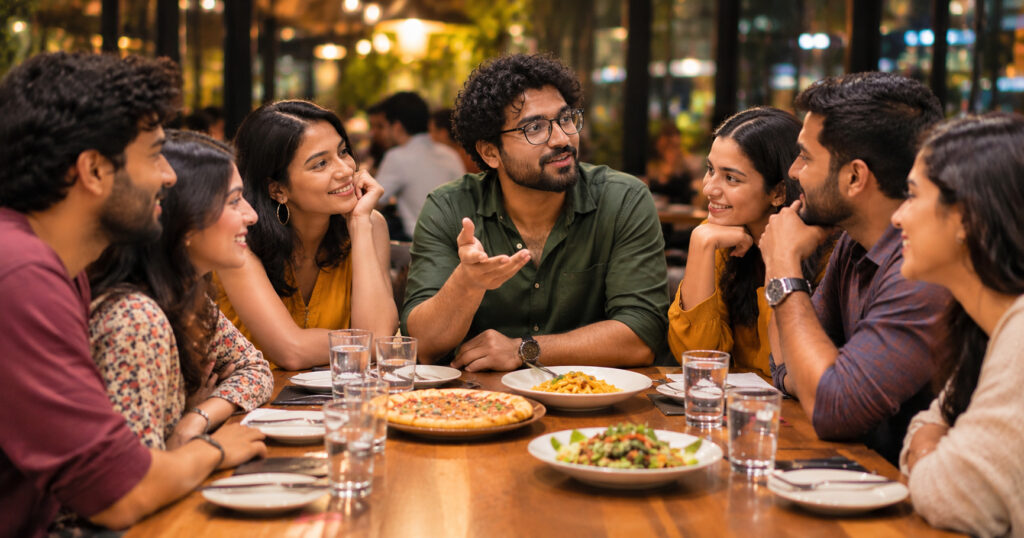
Saturday evening. A group of six friends going out for dinner. The WhatsApp group has been alive since morning. Six people. Eight suggestions. Three cuisines. Two failed attempts to decide. Nobody wants to pick, and yet everyone wants to eat.
Then, at 6:47pm, one message lands.
“Let’s go to that new Italian place in Indiranagar. I know the head chef. They just changed the menu last month. It’s better than the reviews suggest. Book for 8:30, group of 6.”
The chat goes silent for four seconds. Then, one by one, the responses come. “Sounds good.” “Works.” “Perfect.” “See you there.” The decision is made. The reservation is done. And every single member of the group knows that this exact scene will play out again the next time the group goes out.
Meet the Man Who Chooses the Restaurant.
Who Is the Man Who Chooses?
Every group of Indian friends has one. He’s not the loudest, not the richest, not necessarily the most senior. What he is, is genuinely better informed about restaurants than everyone else, and the group knows it. They’ve accepted this with a mix of gratitude and mild resignation. They rely on him. They tease him. They complain when he picks somewhere they don’t like. And they never pick without asking him first.
Here’s the opinion most Indian brands trying to market food and beverage products completely miss. In almost every category that involves group buying, there is a Man Who Chooses. And the entire group’s spending in that category flows through his opinion. If you win him, you win the group. If you don’t, you don’t sell to the group at all.
Let’s break down what makes the Man Who Chooses actually different from everyone else in the group.
What Makes Him Different?
1. He is genuinely more informed.
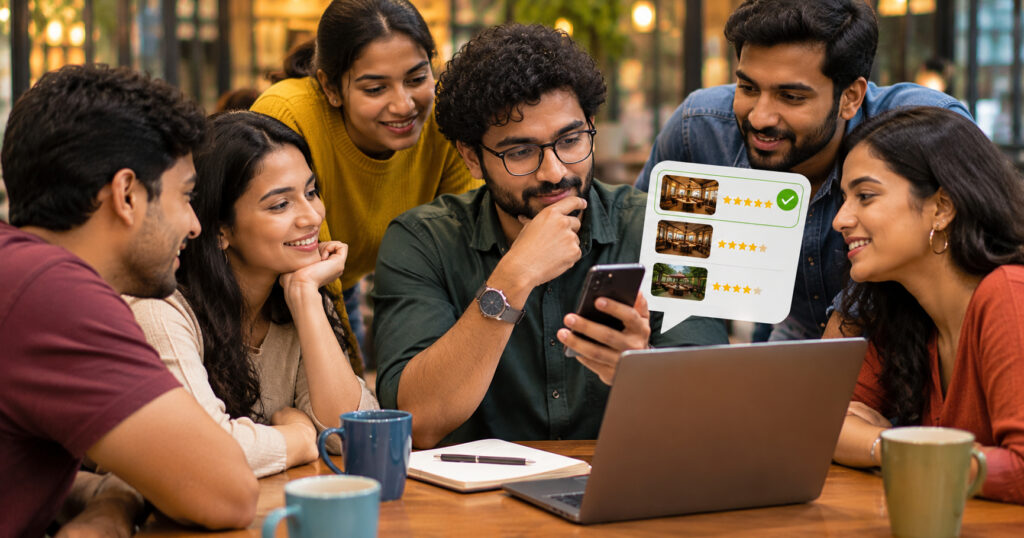
- He actually reads the reviews.
- He follows the food critics on Instagram.
- He tracks which chefs have moved to which restaurants.
- He knows which places are having a good month and which are declining.
- He remembers the meal he had at the same place three months ago and can tell you which dishes have gotten worse.
- He has invested sustained attention in a category most people just consume passively.
2. The group trusts his judgement.
The rest of the group knows this. In a world of infinite restaurant options, algorithmic Instagram reels, and dozens of new places opening every month, the cognitive load of picking is enough to shut down most casual groups. Nobody wants to research. Nobody wants to be blamed if it’s bad. Delegating to the person who genuinely cares is the group’s most efficient move.
The Man Who Chooses Exists in Every Category
This pattern shows up in almost every group-buying category. The friend who picks the car. The friend who picks the phone. The friend who picks the gadget. The friend who picks the trip destination. The wedding photographer. The trekking gear. Each is functionally the same person, in a different category. Each determines what the rest of the group buys.
This is not just informal social influence. It is one of the most powerful and under-exploited signals in Indian consumer behaviour. Because most brands are marketing to the entire group. They should be marketing to the person the group listens to.
Not an Influencer. Something More Powerful.
He is not an influencer. Influencers are paid, and Indian consumers heavily discount for that. He is unpaid. He picks the restaurant because he likes food. He picks the car because he reads car reviews at 11pm. His credibility is high precisely because there’s no financial incentive attached.
What Can Indian Brands Actually Do With This?
1. Find the Man Who Chooses in your category.
Every category has one, usually a small subset of highly-engaged consumers who track the space obsessively. They’re on specific subreddits. They’re in specific WhatsApp groups. They comment on specific Instagram accounts. They subscribe to specific newsletters. Find them.
2. Don’t try to convert them with ads.
Convert them with actual quality. The Man Who Chooses will only recommend a product that has genuinely earned it. His entire social standing in the group depends on the recommendation being good. He is not going to take a small risk on your brand unless the brand deserves the risk.
3. Give him ammunition.
Detailed information about what the product actually is, how it’s better than alternatives, what specifically makes it different. He wants to be able to explain the recommendation to the group. Vague marketing does not help him. Specific, defensible information does.
The Takeaway for Indian Brands
The ‘Man Who Chooses’ is the most important piece of Indian consumer research most brands are ignoring. Every group has one. Every category has thousands. Brands that reach them win the groups. Brands that don’t spend their entire marketing budget reaching group members who were never going to make the decision.
The Man Who Chooses is not asking to be marketed to. He is asking for genuinely good options. Give him one. He’ll do the rest.