
 Back to Blogs
The Brands We Hide from Our Parents (And What That Says About Us)
Everyone has them.
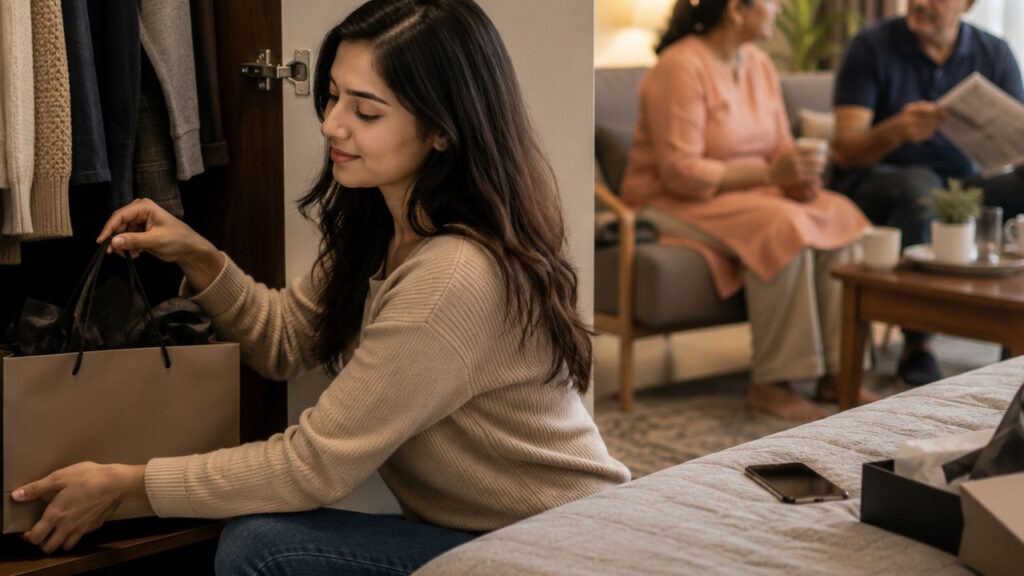
The brands we buy from but never talk about over Sunday lunch. The ones whose packages we hide before our mothers come over, or whose names we never quite mention when our fathers ask what we spent our salary on this month. The brands we buy in private and never quite endorse in public.
It’s a strangely universal habit.
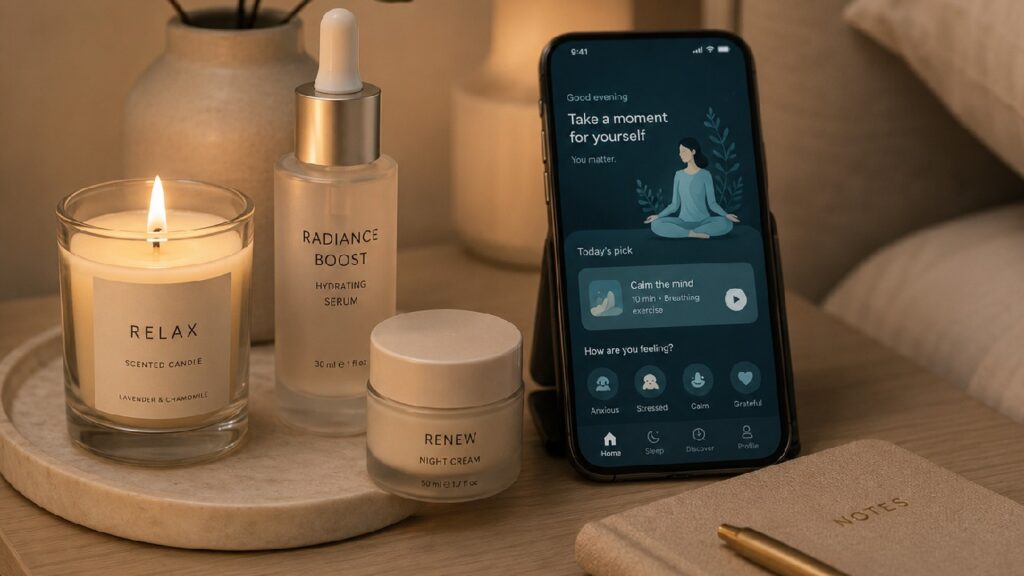
- 🕯️ The 1,800-rupee scented candle.
- ✨ The 5,000-rupee skincare set.
- 👟 The expensive pair of running shoes that look identical to the ones you already own.
- 🎧 The premium headphones.
- 👟 The third pair of identical-looking white sneakers.
- 💊 The supplements with names nobody can pronounce.
- 🧠 The therapy app.
- 🔮 The astrology app.
- ❤️ The dating app.
- 📓 The expensive notebook that we promised ourselves would change how we journal.
The question isn’t whether we buy these things.
The question is why we hide them.
From a generation that was raised to be careful with money, to justify every purchase, and to treat anything spent on the self as somehow indulgent.
💡 The hiding is the marketing insight nobody’s writing about.
Across India, the Middle East, and Australia, three culturally different but generationally similar things are happening at once.
Adults in their 20s, 30s, and 40s are spending more on themselves than their parents ever did.
They are also more conflicted about it than they let on.
Brands that understand this conflict are becoming the most loved brands of this generation.
Brands that don’t understand it are still selling on price.
🧠 The psychology behind the hiding is layered.
There’s the practical layer, which is the assumption that parents will judge the spending as wasteful.
- A 1,800-rupee candle is hard to explain to a mother who lit candles only during power cuts and never paid more than 50 for one.
- A 450-dirham skincare set looks indulgent to a father who used the same bar of soap for forty years.
- A 320-dollar pair of trainers doesn’t compute for a generation that bought sneakers from the same shop their entire adult life.
Underneath the practical layer is something more interesting.
The hiding is about the gap between two value systems.
- One generation was taught that money is for security, family, and necessity.
- The next generation has decided that money is also for identity, experience, and personal pleasure.
Both are valid.
Both clash.
The middle-class adult in 2026 is trying to live both at the same time, which is why so many purchases get hidden, dismissed, or privately justified.
Brands that understand this dynamic build differently.
They speak directly to the buyer’s own conflicted feelings about the purchase.
✨ The skincare brand that says “we know this seems like a lot for a serum, here’s exactly why it costs what it does“ performs better than the one that just lists ingredients.
🕯️ The luxury candle brand that frames itself as a small permission for the buyer sells more, because permission is what the customer is actually buying.
🧠 The therapy app that gently acknowledges that this might be the first time the user has paid for something like this earns the customer for years.
Brands that get it wrong tend to do one of two things.
- Some go full luxury, leaning into exclusivity and aspiration, which alienates the buyer who still feels guilty about the spending.
- Others go full functional, listing every benefit, which strips away the emotional reason the customer was reaching for the product.
Both miss the truth.
The buyer wants permission to have something nice, with just enough functional reasoning to defend the choice if anyone asks.
There are also generational differences worth noticing across regions.
🇮🇳 India
The hiding is most often from parents and extended family, and the brands that thrive are the ones that frame personal spending as small acts of self-respect.
🌍 Middle East
The hiding is sometimes from older generations who associate visible spending with public judgement, and the most-loved brands are the ones that emphasise quality and longevity.
🇦🇺 Australia
The hiding is often less family-related and more cultural, a tall-poppy hesitation about looking like one cares too much about objects, and the strongest brands lean into understated design and confidence.
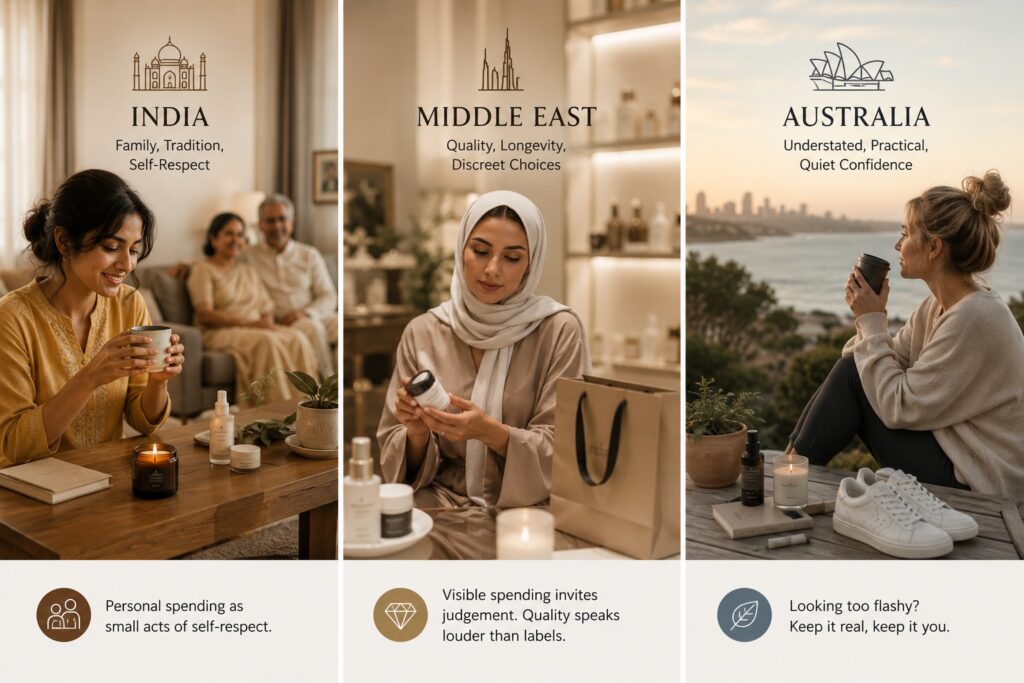
Same psychology. Different cultural texture.
💭 For brands trying to find their place in this space…
The most useful question isn’t:
“how do we make this product feel more premium.”
The question is:
“how do we help the buyer feel okay about wanting this.”
Permission.
Reassurance.
Gentle conviction that the purchase reflects something good about the person, without making them feel watched or judged.

❤️ The brands that get this right…
The brands that get this right end up loved in a way the loud, status-driven brands never quite manage.
They become the brands customers do eventually tell their parents about, two years later, after the relationship has been built.
The brands we hide today are the brands we’ll defend tomorrow.
The trick is to be the brand worth hiding for the right reasons.
- Worth the small private permission.
- Worth the eventual explanation.
- Worth, in the end, being seen with.