
 Back to Blogs
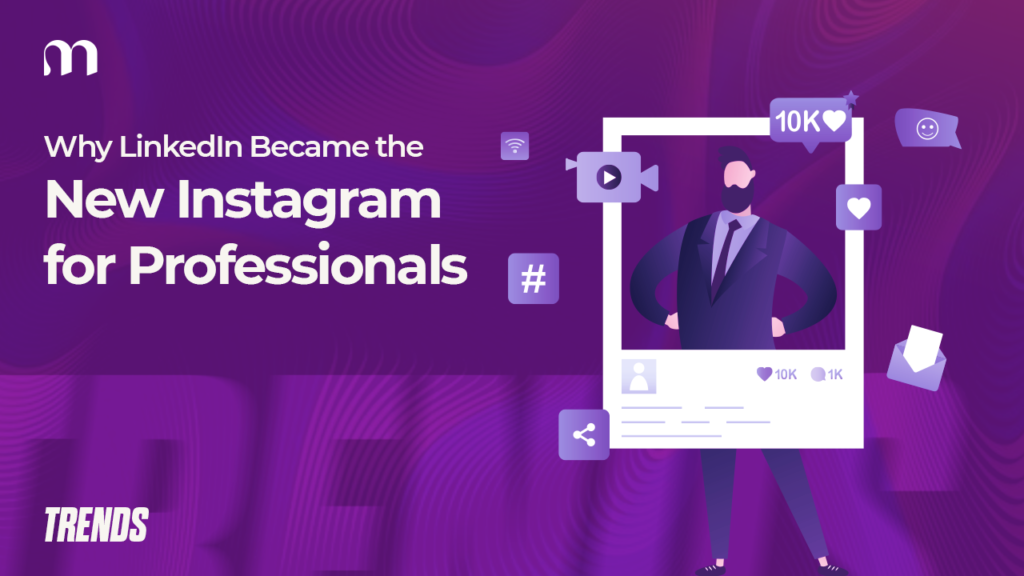
Why LinkedIn Became the New Instagram for Professionals
Ten years ago, LinkedIn was where people uploaded a resume and forgot about it. Nobody scrolled it. Nobody posted on it. The only time you opened LinkedIn was when a recruiter had messaged you or when you were about to be laid off.
In 2026, LinkedIn is where marketing directors post 900-word essays about their morning walks, founders film 90-second videos in front of ring lights, and mid-level product managers write threads about “5 lessons I learned from a difficult conversation with my team.”
Something changed.
LinkedIn stopped being a job board and became a stage. Not because the platform intended for it to happen exactly this way. But because the Indian and global professional class needed a place to perform, and Instagram was not the right stage for that performance.
Instagram is fine if you’re 22 and want to post gym selfies. Even fine if you’re 35 and want to post pictures of your Croatia vacation. It’s not fine if you’re 40, working in a serious industry, wanting to be taken seriously as a thinker, attract better clients, be poached by better companies, and sound intelligent to people you’ve never met.
Instagram makes those goals harder. LinkedIn made them easier.
The professional class needed a platform where performing personal brand felt dignified without feeling embarrassing. LinkedIn became that platform. It’s the version of Instagram that comes with a slight professional wrapper, so the performance feels acceptable. You can post about your morning meditation and it reads as thought leadership. Post the same thing on Instagram and it reads as a beauty influencer’s caption. Same content, entirely different social meaning, based on the platform’s cultural wrapper.
This is the actual reason LinkedIn exploded in the last four years.
- Not the algorithm changes.
- Not the video features.
- Not the new products.
LinkedIn gave a professional generation permission to post like they had always privately wanted to.
And once permission was given, the floodgates opened. 🌊
- Every professional harbouring opinions started sharing them.
- Every founder jealous of their consumer-brand peers on Instagram found a way to do the same performative growth playbook on LinkedIn.
- Every marketing manager who had wanted to build a personal brand for a decade suddenly had a socially-safe space to do it.
- Every consultant, CFO, product manager, and operations lead started posting.
Some of what happened on LinkedIn was great. People who deserved to be more visible finally got the audience they had earned. Real insights, real conversations, real careers built on consistent presence. LinkedIn democratised expertise in Indian professional life in a way no other platform had. 📈
Some of it was less great.
- The performative thread.
- The overly emotional post about a personal setback that felt engineered for engagement.
- The screenshot of a rejection followed by a triumphant “turned into an opportunity” arc.
- The five-lesson learnings from every ordinary interaction.
- The vulnerability that felt strategic.
All of it, still there, still working, still winning.
The interesting question is what happens next.
The LinkedIn honeymoon is starting to wear thin. Audiences in 2026 are getting better at spotting the performative post. The engagement pool is getting saturated. The formats are becoming templated. What used to be fresh three years ago now reads as generic.
- The founder monologue
- The vulnerability post
- The fake-humble win
- The emotional storytelling arc
Each of these is losing power as the audience learns to recognise them.
This means the next generation of LinkedIn winners is going to look different from the last one.
The winners will be the ones bringing genuine expertise. Performative vulnerability is losing power fast.
- The professional who explains, in specific detail, how they actually solved a real problem in their industry.
- The founder who shares the ugly numbers from the last quarter along with what they learned.
- The consultant who names a specific belief that most of their industry disagrees with.
Specificity is the new currency. 🎯
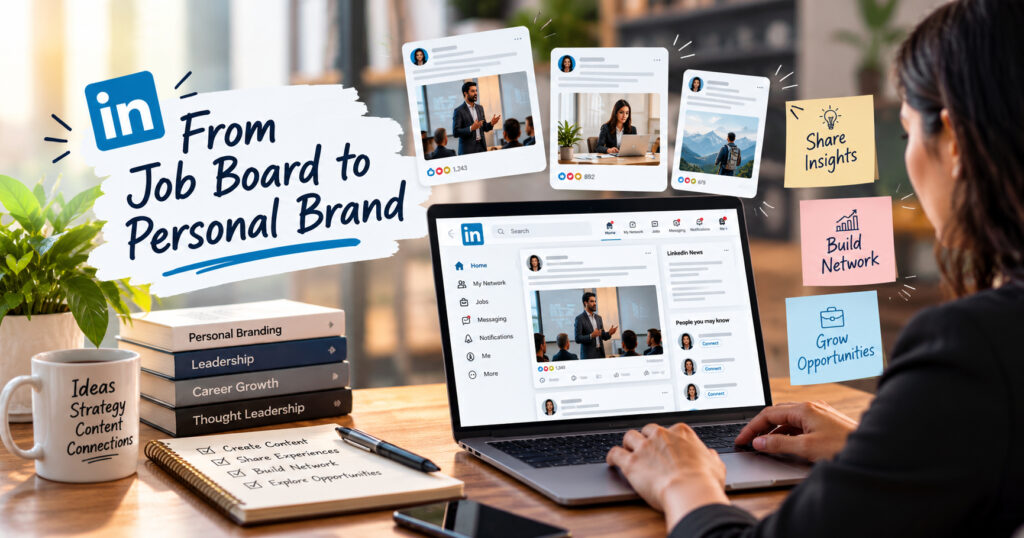
The winners will be the ones who resist the platform’s own pressures. LinkedIn rewards a specific style, and increasingly, the style is becoming the enemy of the substance. The people who ignore the templated hook, the emoji breaks, the artificial short paragraphs, and just write like humans, are starting to outperform the ones who follow the LinkedIn formula.
There’s an irony worth noting. LinkedIn became the new Instagram because it gave professionals a dignified space to perform. Now, the way to win on LinkedIn is to perform less and be more of yourself. The platform is rewarding the humans over the LinkedIn-persona builders. This is a small but significant shift, and most people posting on LinkedIn have not noticed it yet.
We’ve watched this shift closely and now brief LinkedIn content for founders in a specific way.
- Less templates, more voice.
- Less takeaways, more actual opinions.
- Less vulnerability arcs, more expertise.
The founders following this brief are pulling ahead of the founders still writing to the old LinkedIn formula.
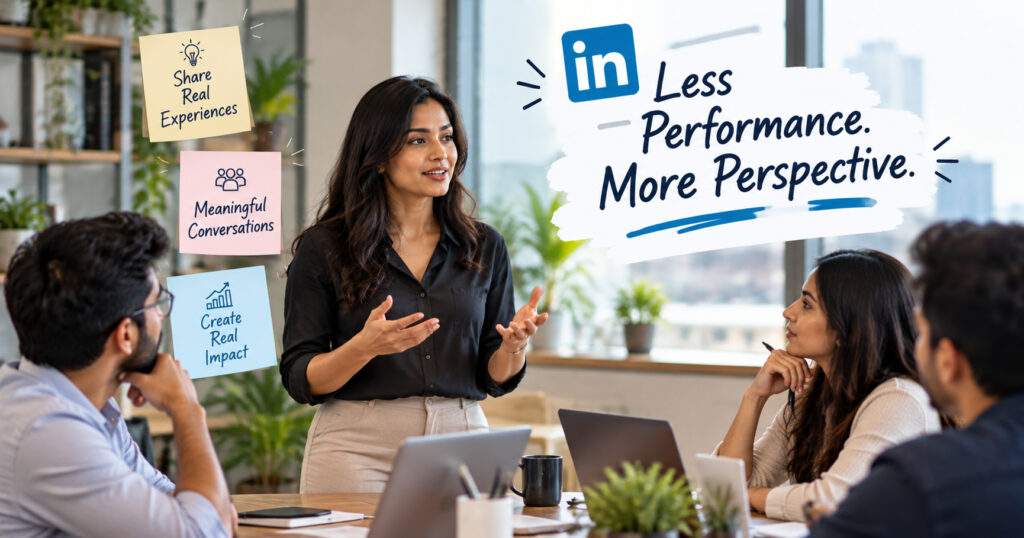
LinkedIn became the new Instagram because we needed somewhere respectable to post. Now it’s becoming something better because we finally have somewhere respectable to be ourselves. The second one is where the actual opportunity now sits.