

 Back to Blogs
What the Shift to AI Search Means for Small Indian Brands (GEO explained)
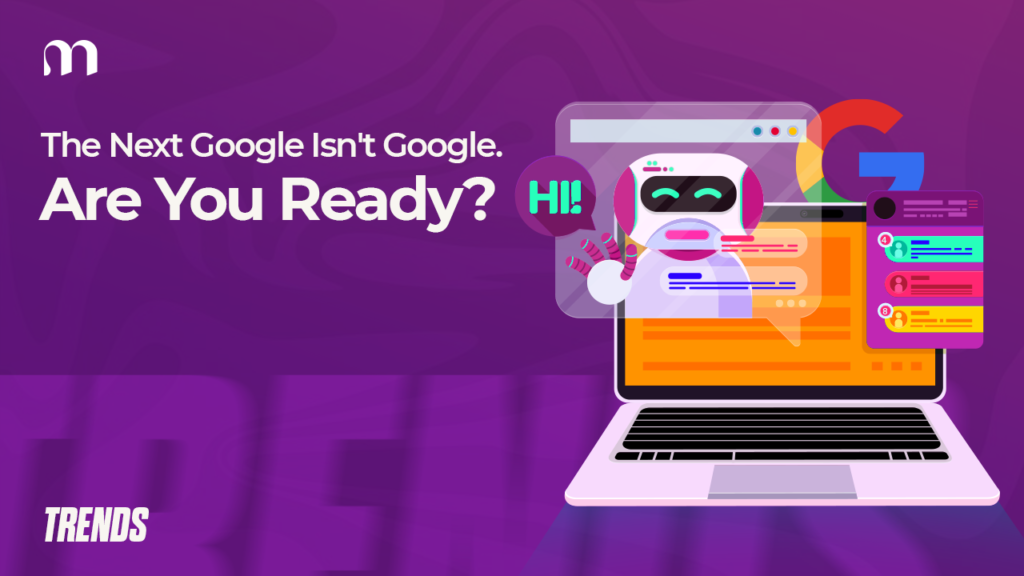
Every six months, someone announces that SEO is dead. 💀 They’ve been wrong the last twelve times and they’re still wrong now. What’s actually happening is more interesting, which is why nobody wants to write the more calmer version of the post.
⇥ Here’s that version. 👇
AI search tools like :
- OpenAI ChatGPT,
- Perplexity AI Perplexity,
- Anthropic Claude, and
- Google Google’s own AI Overviews are clearly changing how people find information. 🔍
Instead of typing a question into Google and clicking through a list of links, more users are typing the question into a chatbot and getting a synthesised answer.
Sometimes the answer cites sources. Sometimes it doesn’t. Either way, the click that used to go to a brand’s website often doesn’t happen anymore.
The user got their answer in the chat window and moved on. 📱
This is the shift, and it has a name nobody outside the industry has bothered learning. 😅

⇥ GEO, or Generative Engine Optimization.
It’s the practice of making sure a brand’s content is the kind that AI tools pull from, summarise, and cite when answering relevant questions.
In plain language, GEO is about getting mentioned in the AI’s answer, even when nobody clicks through to find out more.
Now here’s the part the GEO consultants charging premium fees aren’t being honest about.
The fundamentals of getting picked up by AI search are largely the same fundamentals that make good SEO work:
- Clear writing
- Specific, useful information
- Real expertise on display
- Proper structure with headings that match how people ask questions
- Strong, trustworthy sources backing up claims
- Content that answers a question fully rather than dancing around it for 800 words of nonsense
If a brand has been doing those things well for years, the brand is already mostly doing GEO. There’s a small adjustment to make, and that’s it.
⇥ What’s genuinely changed is how visibility gets measured.
Old SEO success looked like:
- Ranking on page one
- Earning clicks
AI search success can look like:
- Getting cited inside a ChatGPT answer
- Being mentioned in AI Overviews
- Becoming part of the answer without the click
The brand still got:
- The mention
- The trust signal
- The soft introduction
- Possibly the future customer
…but there’s no traffic data to prove it.
This is uncomfortable for everyone whose job is reporting numbers up the chain. It’s also where the next two years of search marketing are going.

⇥ So what does any of this actually mean for a small Indian brand?
The first question to ask is whether AI search even matters for your specific business.
If most of the brand’s customers find them through:
- Instagram DMs
- WhatsApp referrals
- Word of mouth
- Paid social
…then GEO is not the top priority right now.
It’s worth keeping an eye on, but obsessing over it would be wasting energy that should go into the channels actually driving sales.
If the brand sells something customers research before buying, the calculation changes.
This includes:
- B2B services
- Real estate
- Education
- Healthcare
- Financial products
- Considered purchases of any kind
These are categories where buyers are already asking AI tools things like:
💬 “what are the best content agencies in Bangalore for early-stage startups”
💬 “how do I evaluate a paediatric clinic in Perth”
💬 “what’s the difference between two skincare ingredients”
If a brand sells in any of these spaces, being part of those AI answers matters a lot.
For brands in that second group, a few practical things help.
⇥ Write content that directly answers the questions customers ask
The real-life ones people say out loud, in plain language, complete with the awkward phrasing. AI tools have gotten very good at matching natural-language queries with content written in natural language.
Show real expertise
AI tools tend to favour content that demonstrates depth, specificity, and credibility.
- A blog post that says:
“there are several factors to consider when choosing a real estate developer” = loses ❌
- A blog post that names the seven specific factors with examples = wins ✅
Use proper structure
- Clear headings
- FAQ sections
- Short paragraphs
- Definitions written out plainly
AI tools parse structured content faster and cite it more often.
Build authority outside the brand’s own website
Mentions in:
- Industry publications
- Podcasts
- Interviews
- Guest posts
- Anywhere with real credibility
AI tools triangulate trust across multiple sources, and being mentioned in three credible places matters more than having one perfectly optimised page.
And stop panicking about SEO dying. 😌

It hasn’t. It’s evolving, and the brands doing solid content work are going to be fine.
The brands stuffing keywords into thin pages with no real expertise behind them were already in trouble before AI search arrived.
AI search just made the trouble easier to see. 👀