

 Back to Blogs
Social Media Was Supposed to Connect Us. It Became a Performance Review.
Open your phone right now. Look at the last three Instagram stories you posted. Read them as if you were a stranger. Notice anything?
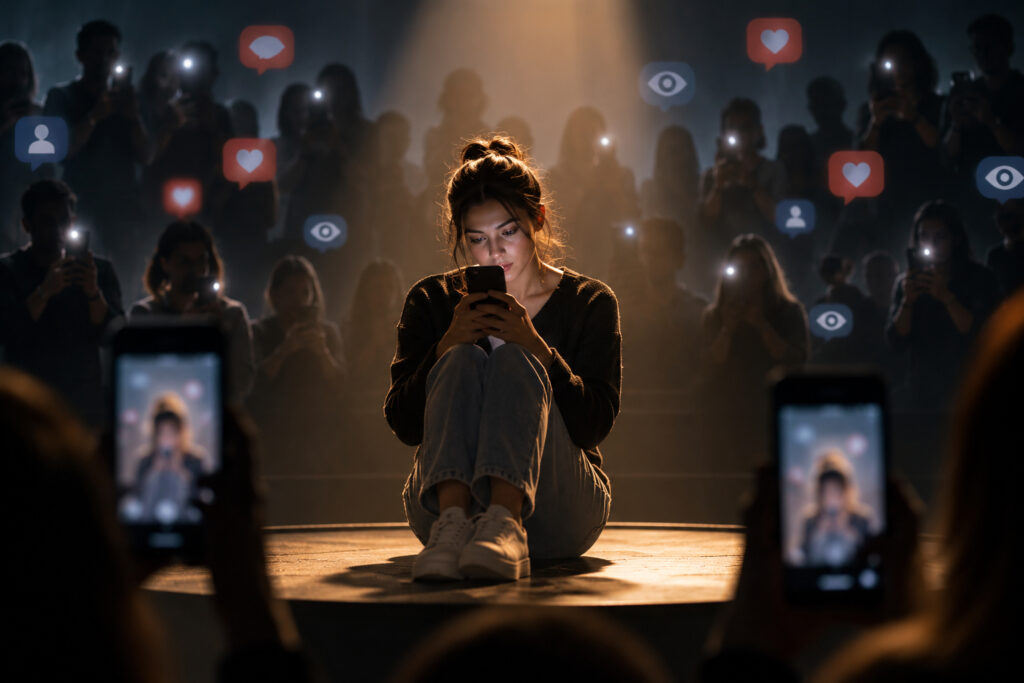
There’s a small voice in the back of every post, asking who’s watching. The angle of the photo. The curated coffee shop. The filtered light. The in-joke that signals to a specific group of acquaintances that you’re doing okay. We’ve all started to perform. Even when we tell ourselves we’re not.
Social media was supposed to connect us.
- That was the promise.
- The pitch.
- The era of staying in touch with old friends, meeting new ones, feeling less alone.
For a while, it worked. Then somewhere between 2014 and 2019, something shifted. The algorithms started rewarding certain types of posts and punishing others. Without anyone consciously deciding to, we all started writing for the algorithm.
- The platform stopped being a way to talk to your friends. It became a stage.
- The audience grew.
- The pressure grew with it.
And the friends who once read your half-formed thoughts on a Wednesday afternoon are now part of a much larger crowd, including ex-colleagues, distant relatives, people you matched with on Hinge in 2019, the recruiter who never replied, and the guy from Year 9 who you haven’t spoken to in seventeen years.
Welcome to the modern social platform, which is now functionally a continuous, unpaid performance review you didn’t sign up for.
The Exhaustion Is Real
The exhaustion is real. Every honest conversation between thirty-somethings circles back to the same thing.
- People are tired.
- Tired of seeing curated lives.
- Tired of performing one of their own.
- Tired of running a personal brand strategy through every photo and caption.
The platform that was supposed to make life more connected has turned ordinary moments into auditions.
Why did this happen? A few overlapping forces, mostly invisible.
A Few Overlapping Forces
- The platforms began rewarding the wrong things.
- The audience expanded uncomfortably.
- The metrics became visible.
- The cumulative effect is exhausting.
The Platforms Began Rewarding the Wrong Things
Polished posts beat raw ones in the algorithm. Lifestyle imagery outperformed mundane photos. Captions that sounded like mini-essays got more comments than captions that sounded like a friend texting. Each design choice tilted the platform toward performance, and we all responded, often without realising we were responding.
The Audience Expanded Uncomfortably
Early social media was small audiences of actual friends. Then the network effect kicked in. Now your morning gym photo is being seen by your boss, your aunty from your home town, your ex’s current partner, and a stranger who followed you three years ago and never unfollowed. The audience for a single post is now so wide that posting anything authentic requires bracing for everyone’s opinion at once.
The Metrics Became Visible
Likes, comments, views, saves, shares. We can see them all, on every post, in real time. Numbers became feedback, and feedback became identity.
- A post that underperforms feels personal.
- A post that overperforms feels like validation.
The platform has turned every casual share into a small piece of quantified self-worth.
The Cumulative Effect Is Exhausting
The cumulative effect is exhausting in a way that feels unique to this generation. There’s no real downtime from the performance. Even people who claim to not care about social media admit to mild dread before posting anything personal.
Most People We Know Are Retreating
Most people we know are retreating.
- Smaller close-friends lists.
- Fewer public posts.
- WhatsApp groups in place of Instagram stories.
- Newsletters with 30 subscribers replacing public LinkedIn posts.
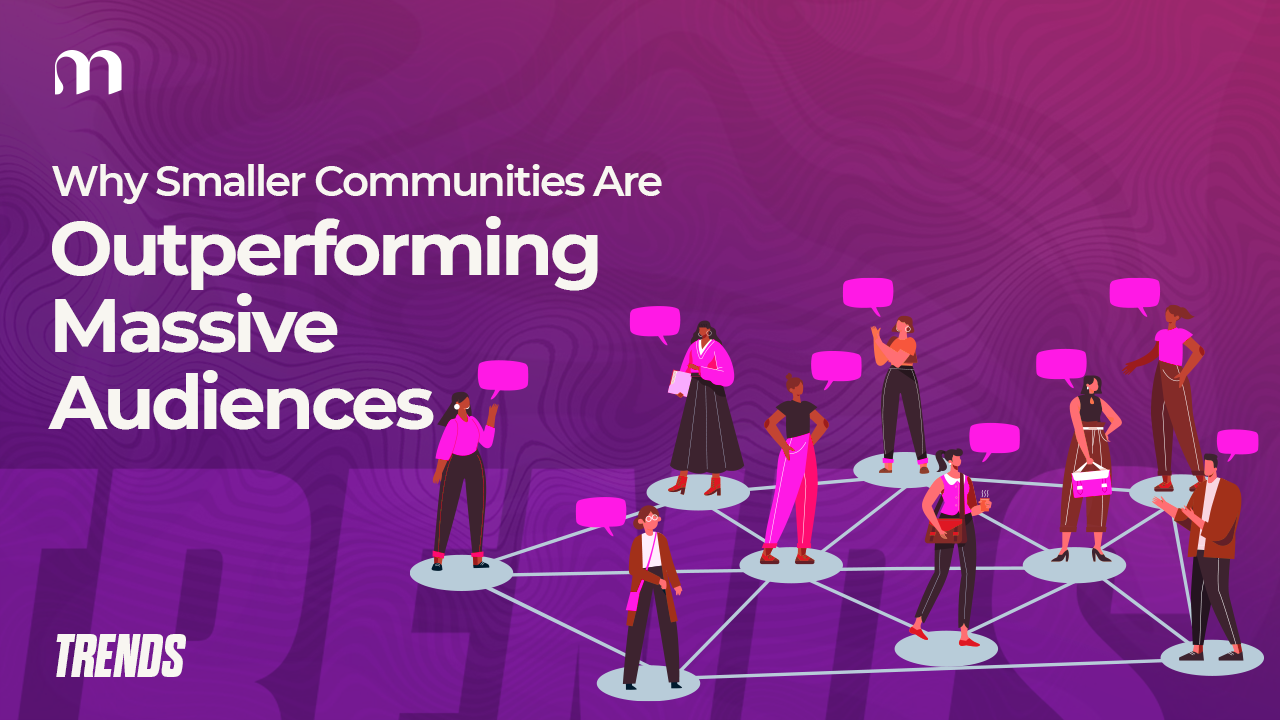
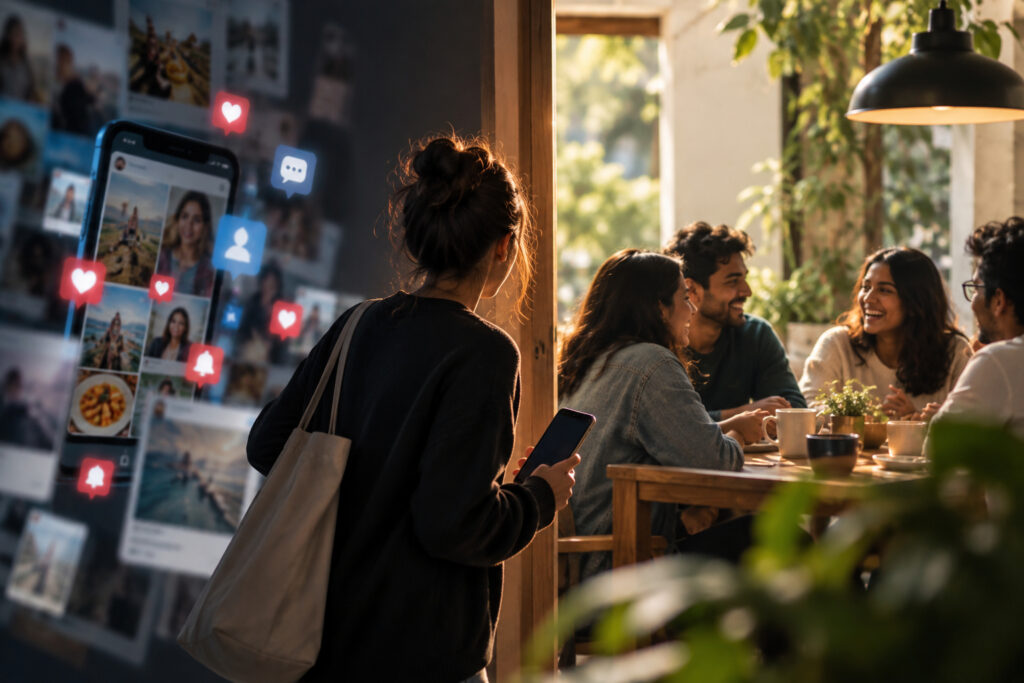
The internet is rearranging itself into private rooms, because the public rooms became too noisy to be themselves in.
A Natural Correction
What’s happening is a natural correction. The platforms got too big, too judgemental, too algorithmically loud. People are finding their way back to smaller spaces where they can be uncomplicated humans again.
- Group chats.
- Voice notes.
- Small chat servers.
- Members-only Substacks.
- Real-life dinners.
These are the spaces where conversation has migrated, while the public feeds become increasingly hollow and performative.
What Can You Do About Your Own Relationship to This?
Audit Your Posting
Look at your last 10 posts honestly. How many of them were written for a real friend versus for an imagined audience of acquaintances and judges? If the answer is mostly the latter, something’s off. The platform has been steering you. Time to steer back.
Find Your Small Rooms
Start a WhatsApp group with five close friends. Send each other random thoughts. Voice notes. Photos that aren’t filtered. Recreate, in private, the kind of conversation social media used to provide before it became a performance.
Post Less, But Post Truer
The half-formed thought, the bad opinion, the genuine question. These are more interesting than the polished announcement. Most of your audience will scroll past. The ones who actually care will lean in.
Accept That the Public Feed Isn’t Where Intimacy Happens Anymore
It used to be, years ago. The sooner this is accepted, the sooner the energy can be redirected to spaces where actual connection still lives.
Social Media Will Keep Evolving
The platforms will introduce new features designed to draw us back into public performance. The smartest response is to remember what we wanted from these spaces in the first place.
Connection. Conversation. Friendship.
It turns out those things were never going to be served by a public algorithm. They live in smaller rooms. And the smaller rooms are still open, if you want to walk back in.