

 Back to Blogs
The ‘Purpose-Driven Brand’ Has Become a Cliché.
Okay, here goes, “purpose-driven” has become one of the most exhausted phrases in marketing right now, and I say this as someone who hears it in client briefings on a near-weekly basis.
Almost every brand that walks in for a strategy conversation says they want to be purpose-driven.
It’s the same cringe energy as a startup describing itself as “an AI-based platform reimagining” something.
Are you, though? Or is that just the line you’ve been told you’re supposed to open with? The phrase has lost meaning because everyone’s saying it, and most of the brands saying it haven’t actually done the internal work that would make it true.
⇥ Let me give you my favourite example, because it lives rent-free in my head.
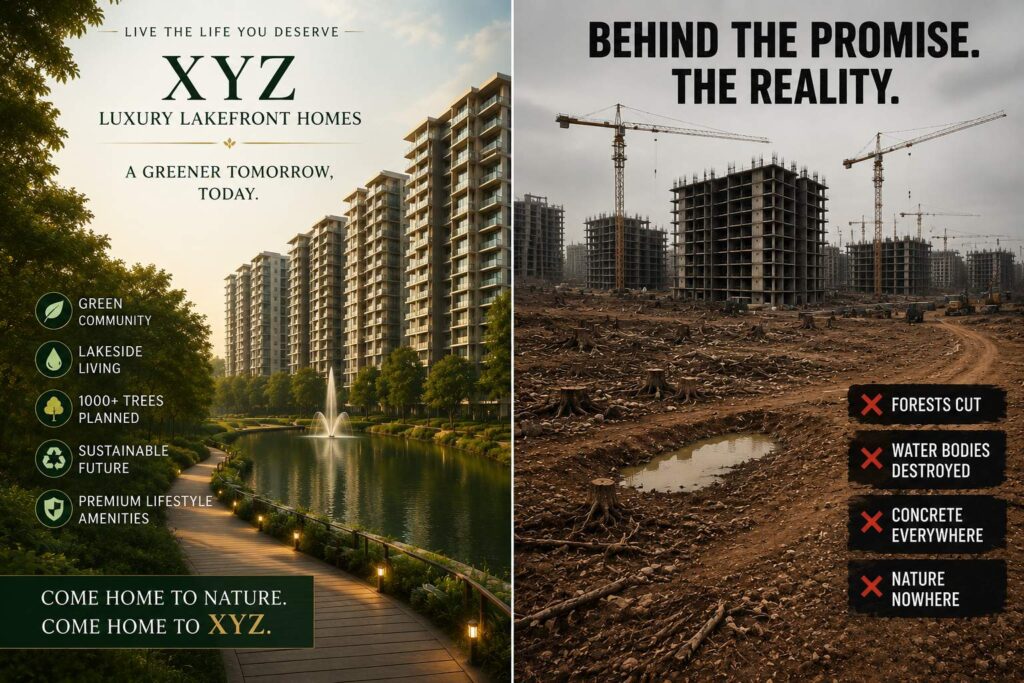
There’s a category of real estate marketing in India that has somehow convinced itself it’s sustainable. Cut down an entire forest.
- Drain or fill in a couple of water bodies.
- Build a thousand-unit apartment complex with concrete reaching the sky.
- Plant one tree somewhere on the property and design a small artificial pond around it.
Now call it a “green community” with a “lakeside view.” Add some packaging about preserving nature in the brochure. Done. Sustainability achieved.
⇥ Excuse me. What do you actually know about sustainability.
This is the version of purpose-driven branding that has rotted the term beyond repair. Brands using the language of values without doing any of the actual work, and then expecting customers to applaud.
No! Customers aren’t applauding.
They’re rolling their eyes.
It shows up everywhere once you start noticing it.
📌 Brands giving away tote bags with their logo printed on them and calling it sustainable.
📌 Brands hosting elaborate “pre-loved clothing” campaigns where the team wears outfits once for an Instagram reel and then never again, while still buying new clothes for every other occasion.
📌 Brands suddenly discovering they care about women’s empowerment in March and forgetting about it by April.
📌 Brands talking publicly about leadership and freedom while building internal cultures where everyone is too scared to disagree with the founder.
People aren’t stupid. They can tell the difference between a brand that lives its values and a brand that decorates its marketing with them.
What I think is happening is a confusion between purpose and performance.
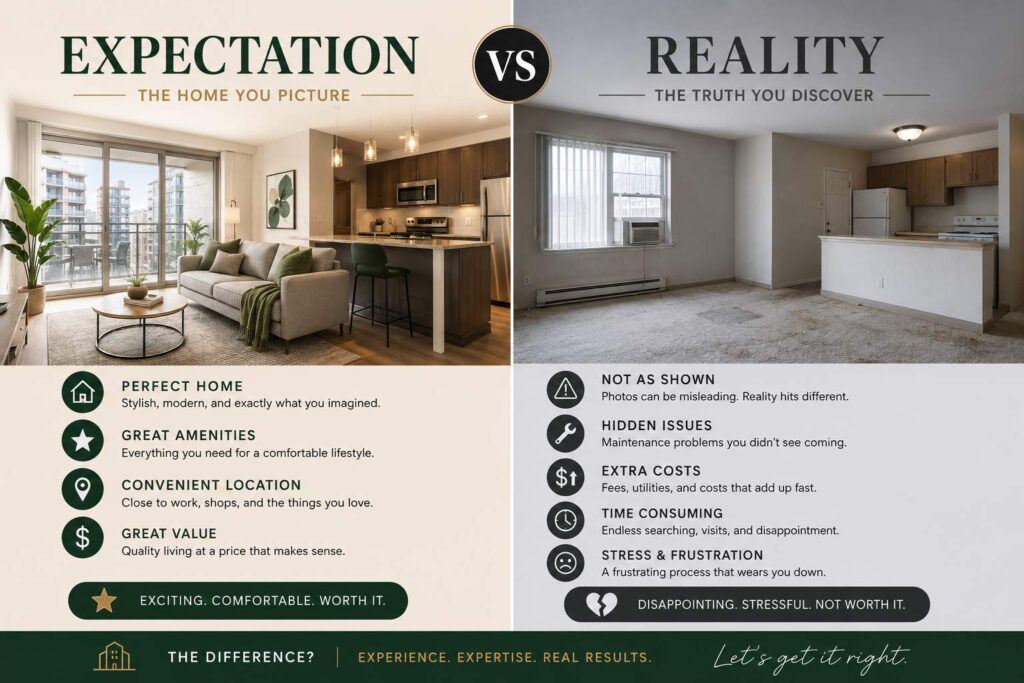
Purpose, when it’s real, is usually quiet.
It shows up in how a company actually operates,
- who it hires,
- what it pays them,
- how it treats them,
- what it refuses to compromise on,
- what it says no to.
Performance is the public version.
The campaign, the manifesto video with slow piano music, the LinkedIn post about the founder’s “why,” the Pride logo that gets removed in July.
Most of what’s being sold as purpose right now is performance, and audiences have figured this out faster than brands have.
So if purpose-driven branding has become a cliché, what actually works instead?
1 ) Make a great product. Genuinely.
The most underrated brand strategy in the world is having
- a product that does what it says,
- lasts longer than expected,
- solves a real problem, and
- treats the customer with intelligence.
No amount of mission language fixes a product that doesn’t work. A product that does work doesn’t need much mission language at all.
2) Have a clear point of view about your category, not a vague point of view about the world.
“We want to make the world better” is meaningless.
“We think most skincare advice is contradictory and overpriced and we’d like to fix that” is a position. The first one is performance. The second one is a brand.
3) Be honest about what you are.
You’re a business. You want to make money.
Customers know this and respect honesty about it more than they respect dressed-up language pretending you’re a non-profit with shareholders.
The brands that own their commercial nature, while still standing for something specific, end up looking more trustworthy than the ones performing virtue.
4) Show up the same way internally as externally.
If your marketing talks about empowerment and your team is afraid of you, that’s not a brand, that’s a costume. Customers eventually see the gap, employees definitely see the gap, and the gap is where trust goes to die.
5) Stand for something small and real instead of something big and vague.
“Better packaging” beats “saving the planet.”
“Fairer wages for our makers” beats “sustainable supply chain.”
Specificity is what makes a value sound believable. Vagueness is what makes it sound like a press release.
Real purpose doesn’t need a campaign. It needs a company that actually behaves like it means what it says.