
 Back to Blogs
Why Indian Consumers Trust Brands Their Friends Already Use (Social Proof in 2026)
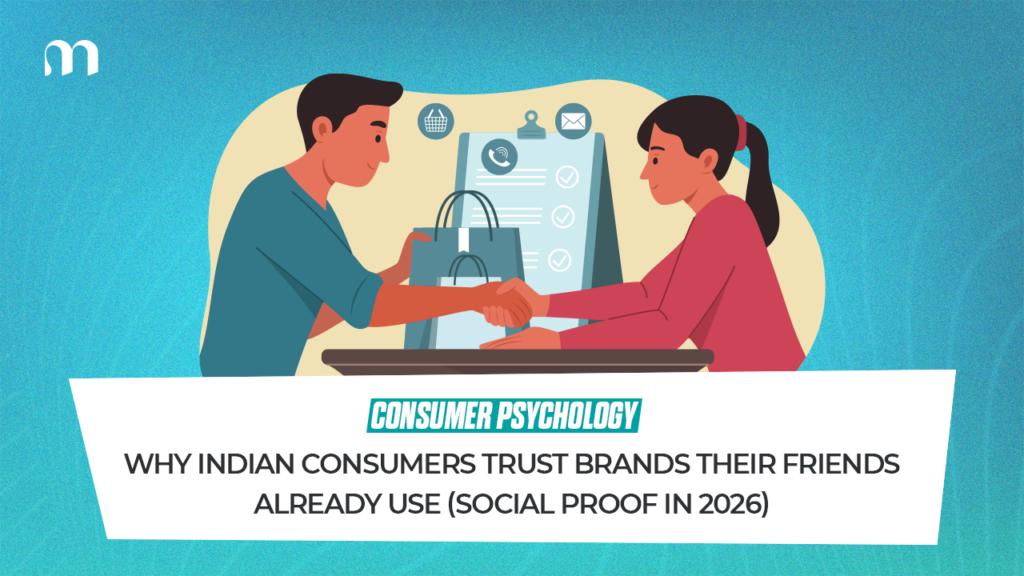
A brand can run the cleanest campaign in the world, with good photography, smart copy, the right platform, and the right spend, and someone will still scroll past it, see it, and forget it within the hour.📱 Two weeks later the same person’s friend uses the product and mentions that it’s genuinely good, and suddenly that brand has a customer for life. This is social proof in action, and in India it quietly does a disproportionate amount of the heavy lifting for most brands, whether they realise it or not.
Social proof isn’t new, and Indian consumers have always bought this way. What’s new is how many more layers brands have to cut through now, and how much of that layer is getting filtered out by the same instinct that’s been running in this market for generations.
If your cousin Maya says a serum works, her word easily beats fourteen
- sponsored posts,
- a Google ad,
- and a carefully worded About page on a brand’s website.
The interesting question is why this continues to hold so much weight, especially in 2026 when consumers have more access to information than at any point in history.
Part of the answer is cultural. Indian consumers remain community-first in a way that still genuinely surprises global brands entering the market.
Buying decisions tend to move through :
📌 WhatsApp groups, 📲
📌 family chats, 👨👩👧👦
📌 office lunch tables, 🍱
📌 and neighbourhood conversations, 🏘️ rather than happening in isolation.
A product recommendation in India is rarely a quiet one-on-one exchange, it’s more like a small broadcast inside a trusted circle, and once a product lands inside that circle, it spreads in ways that no paid campaign can replicate no matter how well funded it is.
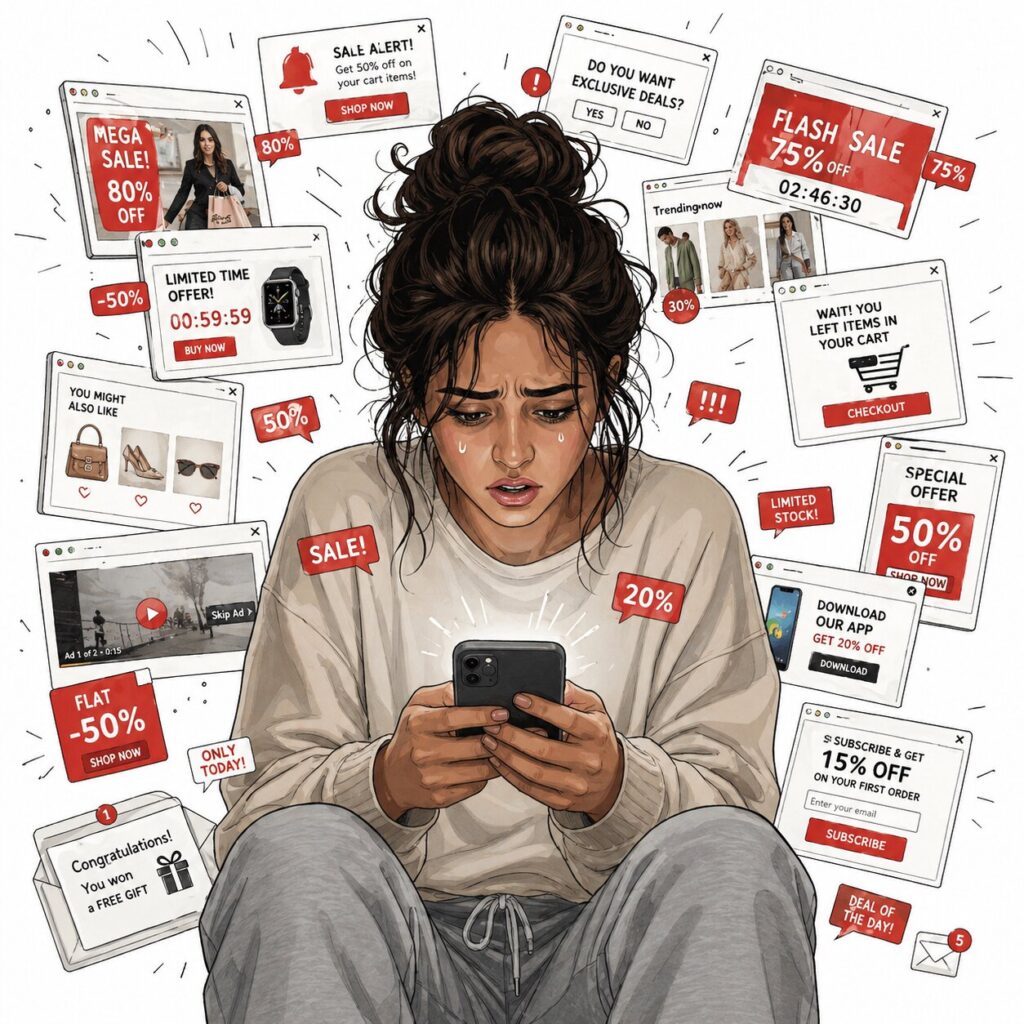
Another part of it comes down to sheer market fatigue. There are simply too many brands launching at once, with four new skincare labels this week, three new protein powders the next, two new meal services, and a dozen new D2C brands nobody had heard of last Tuesday. The average consumer has stopped trying to evaluate every new launch on its own merit because the mental load is exhausting, and a friend’s recommendation becomes a useful shortcut. The brain loves shortcuts, especially when the alternative is reading thirty product pages on a Sunday evening.
The third piece is more pointed and worth taking seriously. Consumers have simply gotten sharper over the last few years. They know a sponsored post when they see one, they can tell when five reviews on a product page use the same three phrases, and they’ve watched the same influencer swear by four competing skincare brands in a single financial quarter and drawn their own conclusions about what that means.
This is where the 2026 version of social proof starts getting complicated for brands that haven’t updated their thinking.
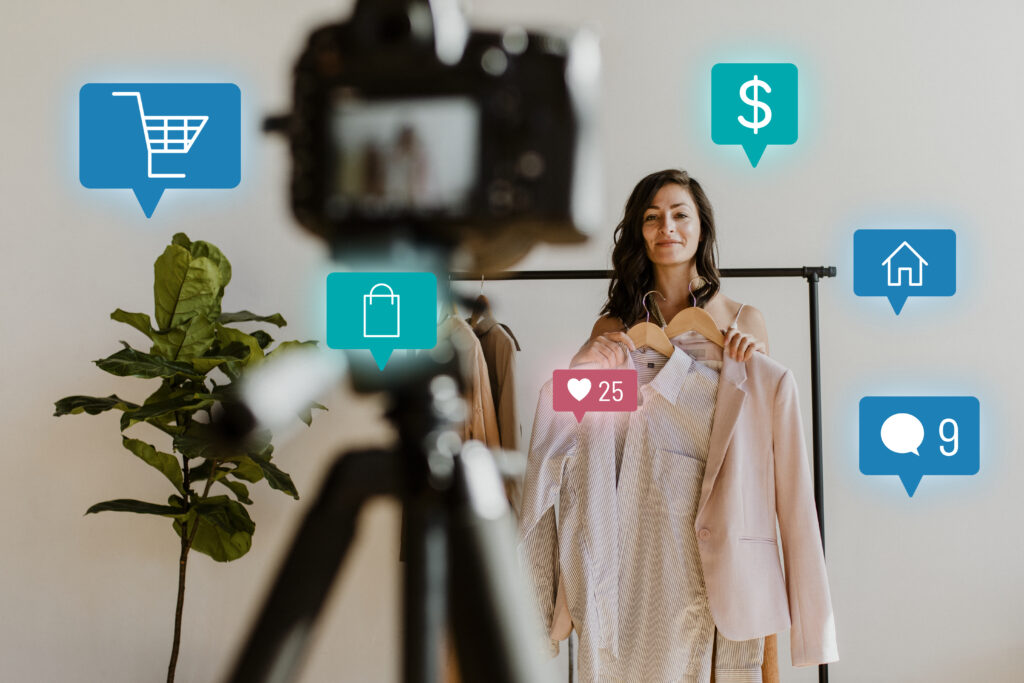
Influencer marketing still works, but it doesn’t work the way it used to, and the shift has been quiet but significant. Audiences have started unconsciously sorting creators into two buckets, with the first being the ones who seem to have a genuine relationship with a product and keep using it beyond the campaign window, and the second being the ones clearly cycling through whichever brand booked them that month. Trust follows the first group almost instinctively, while the second group gets watched, sometimes enjoyed for entertainment, and rarely believed when it comes to actual purchase decisions.
Reviews have a similar problem playing out at scale. When every product on every platform seems to have a suspiciously similar set of five-star reviews written in suspiciously similar voices, consumers stop reading them altogether and scroll straight to the three-star and two-star reviews instead, looking for something that feels like it was written by a real human being. This shift has been slow and mostly invisible, but it matters more than brands realise, because a thousand polished reviews can carry less weight than one uncomfortable honest review that mentions a specific flaw and then explains how the brand handled it gracefully.
AI-generated content has only accelerated this recalibration. The average shopper can’t always consciously identify what’s AI-written versus what isn’t, but they can feel when something is off, because it’s too clean, too even, or too many products are being described in the exact same cadence across different sites. The result is a quiet, almost unconscious rethinking of where trust is actually allowed to come from.
Which brings the whole conversation back to the friend, the colleague, the aunt, and the person in the WhatsApp group who isn’t selling anything and has no financial reason to lie about a product.
For brands trying to build for this market in 2026, a few things follow from all of this.
Community is not a growth hack, and treating it like one tends to backfire quickly. Real customers talking to real customers, unprompted and without incentive, is the most valuable form of marketing a brand can have access to, and it only happens when the product actually works and the experience around it is genuinely worth mentioning to someone. Referral programmes can help, but only if the product is already worth referring in the first place, otherwise all a referral programme does is expose the weakness faster.
Micro-voices matter more than mega-voices, and the gap is widening. A next-door-neighbour creator with 8,000 engaged followers who genuinely uses a product will often out-convert a celebrity with two million disengaged followers doing a paid campaign for the same brand. The mega-reach days aren’t over yet, but the premium on authenticity is climbing steadily, and brands still chasing pure follower counts are going to find themselves paying more for less.
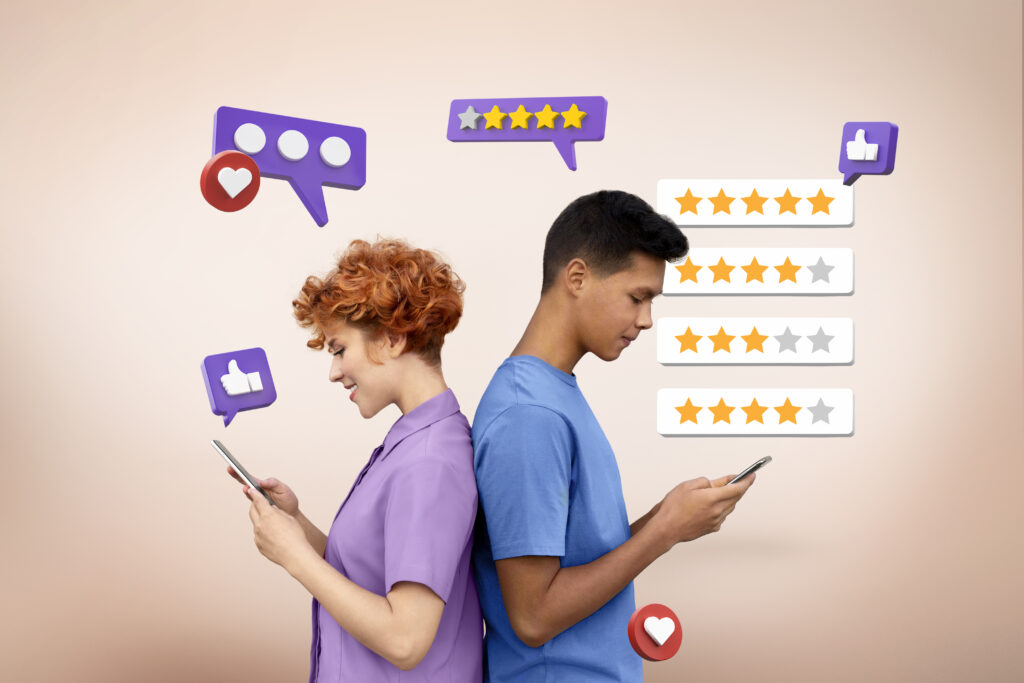
Honest reviews are an asset rather than a liability. Curating only five-star testimonials tends to make a brand look insecure and oddly defensive, while showing a mix of responses, including what didn’t work for everyone and how the brand responded to genuine complaints, builds more real trust than any hero banner ever will. Consumers in 2026 are not looking for perfect brands, they’re looking for ones that feel real and accountable.
And perhaps the most underrated point, brands need to stop underestimating word of mouth simply because it’s harder to measure than click-through rate. It’s doing a lot more work than any dashboard can actually show. When a customer finishes her cup of chai and casually tells her sister about a product she’s been loving, that moment isn’t showing up in anyone’s analytics, but it’s quietly where most of the real buying decisions in this country are being made.
Social proof in 2026 isn’t really about proof in the formal sense of the word. It’s about who’s saying it, whether they have a reason to lie, and whether the person listening has any reason to believe them. Sometimes the shortest path to trust is still the oldest one, which is a real person telling another real person that something is worth their money.