

 Back to Blogs
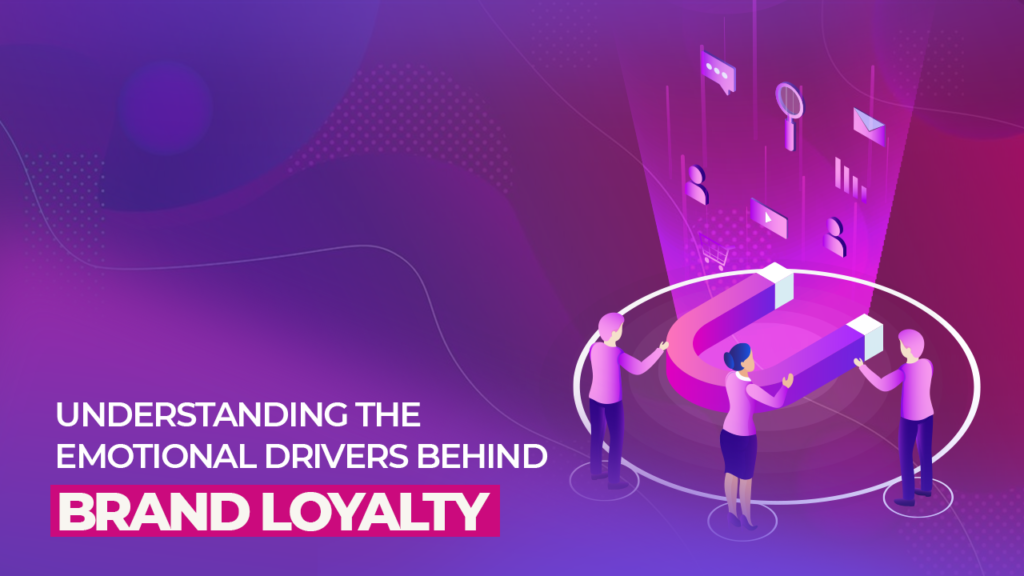
Understanding the Emotional Drivers Behind Brand Loyalty
Most brands assume loyalty is a result of satisfaction. If the product works well, the service is reliable, and the pricing feels fair, customers will come back.
But that doesn’t fully explain loyalty. Because in most categories today, multiple brands offer similar quality, similar pricing, and similar convenience. Yet some brands are chosen repeatedly, almost instinctively, while others remain easily replaceable.
The difference isn’t always functional. It’s emotional.
⇥ Loyalty goes beyond what a brand offers
If features alone determined loyalty, there would be very little variation in consumer behaviour. The “best” product would consistently win. But in reality, people often stick with brands that aren’t objectively superior.
What they’re responding to is the emotional connection with brands, a sense of familiarity, comfort, or even alignment with personal identity. Over time, this connection becomes a reason to return, even when alternatives exist.
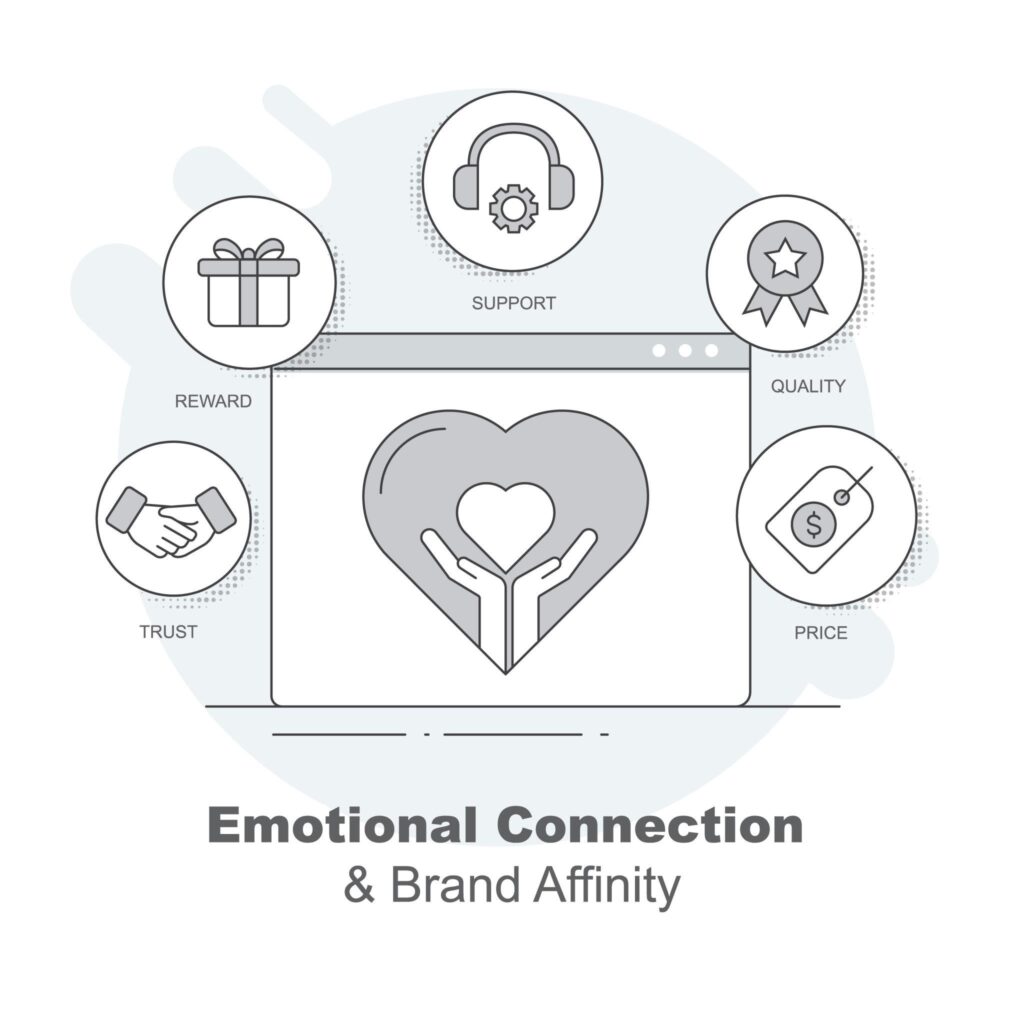
This is where brand loyalty psychology becomes important. Decisions are rarely made in isolation. They are shaped by past experiences, expectations, and how a brand fits into a person’s routine or self-perception.
⇥ Trust is what makes loyalty sustainable
At the core of most long-term brand relationships is trust. Not in the sense of blind belief, but in predictability.
Consumers tend to return to brands that feel consistent; brands that deliver what they promise without requiring constant evaluation. This is where brand trust and customer loyalty are closely linked. When a brand reduces uncertainty, it becomes easier to choose again without overthinking.

In a market where options are endless, this kind of reassurance is often more valuable than persuasion.
⇥ Emotional branding is often subtle
There’s a tendency to associate emotional branding strategy with large campaigns or dramatic storytelling. In practice, it’s much softer than that.
Emotion is built through repeated, everyday interactions. The tone of communication, the ease of navigating a website, the way a brand responds to a problem…these details shape how people feel about a brand far more than a one-time campaign.
Over time, these small moments accumulate into a clear perception. And that perception is what drives loyalty.
⇥ Storytelling creates meaning-but only when it’s consistent
Storytelling in branding plays a role in building emotional connection, but only when it aligns with actual experience.
A brand that clearly communicates why it exists, what it stands for, and how it approaches its work gives people something to relate to. It adds depth beyond the product itself.
However, if that story isn’t reflected in how the brand behaves, across customer interactions, product quality, or service, the connection weakens quickly. Consistency is what turns a story into something believable.
⇥ Experience is where loyalty is formed
While marketing often focuses on acquisition, loyalty is shaped through experience. Every interaction a customer has with a brand contributes to how they perceive it.
A smooth onboarding process, responsive support, and a seamless purchase journey all play a role in reinforcing positive associations. This is where customer experience marketing becomes critical.
Even the strongest emotional positioning will struggle to hold if the experience doesn’t support it.
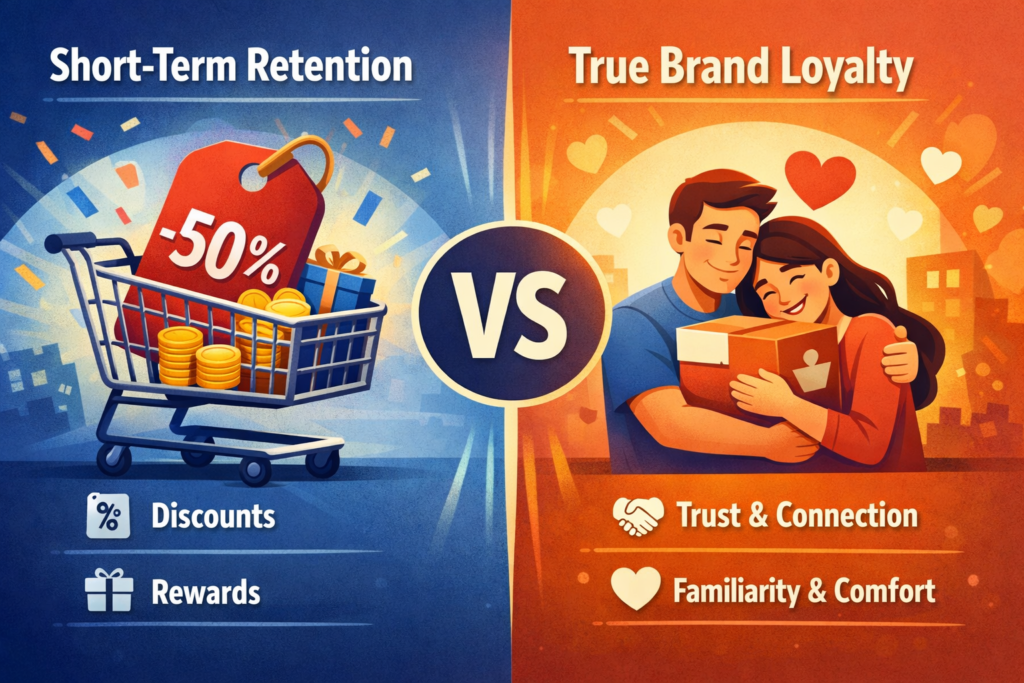
Many customer retention strategies focus on incentives such as discounts, rewards, or reminders. While these can drive repeat purchases, they don’t necessarily build loyalty.
True loyalty comes from preference. Customers return because the brand feels familiar, reliable, and aligned with their expectations, not just because it offers a temporary benefit.
In that sense, retention is often the result of emotional consistency rather than tactical effort.
What this means for brands?
If loyalty is driven by emotion, then building it requires more than effective campaigns. It requires alignment between what a brand communicates and what it delivers.
This is where emotional marketing strategies become relevant, not as isolated initiatives, but as a consistent approach across touch points. The goal isn’t just to attract attention, but to create an experience that people are willing to return to.
Increasingly, this is also what brands expect from brand strategy services and digital branding services. Not just visibility, but a deeper, more cohesive connection with their audience.
Instead of asking how to make customers more loyal, it may be more useful to ask what they consistently associate with your brand, and whether that association is something they want to come back to.
Because loyalty isn’t built in a single moment. It develops gradually, through repeated experiences that feel dependable, relevant, and worth choosing again.
At Mirra Digital, a lot of our work revolves around this idea.
Building brands that people notice and return to. That means thinking beyond visibility and focusing on how every interaction feels, from first impression to repeat experience.
Because that’s where loyalty actually takes shape.