

 Back to Blogs
Short-Form Video Fatigue Is Real. What’s Replacing It ?

Short-form video works. That’s the line everyone in marketing repeats, and on the surface the data backs it up.
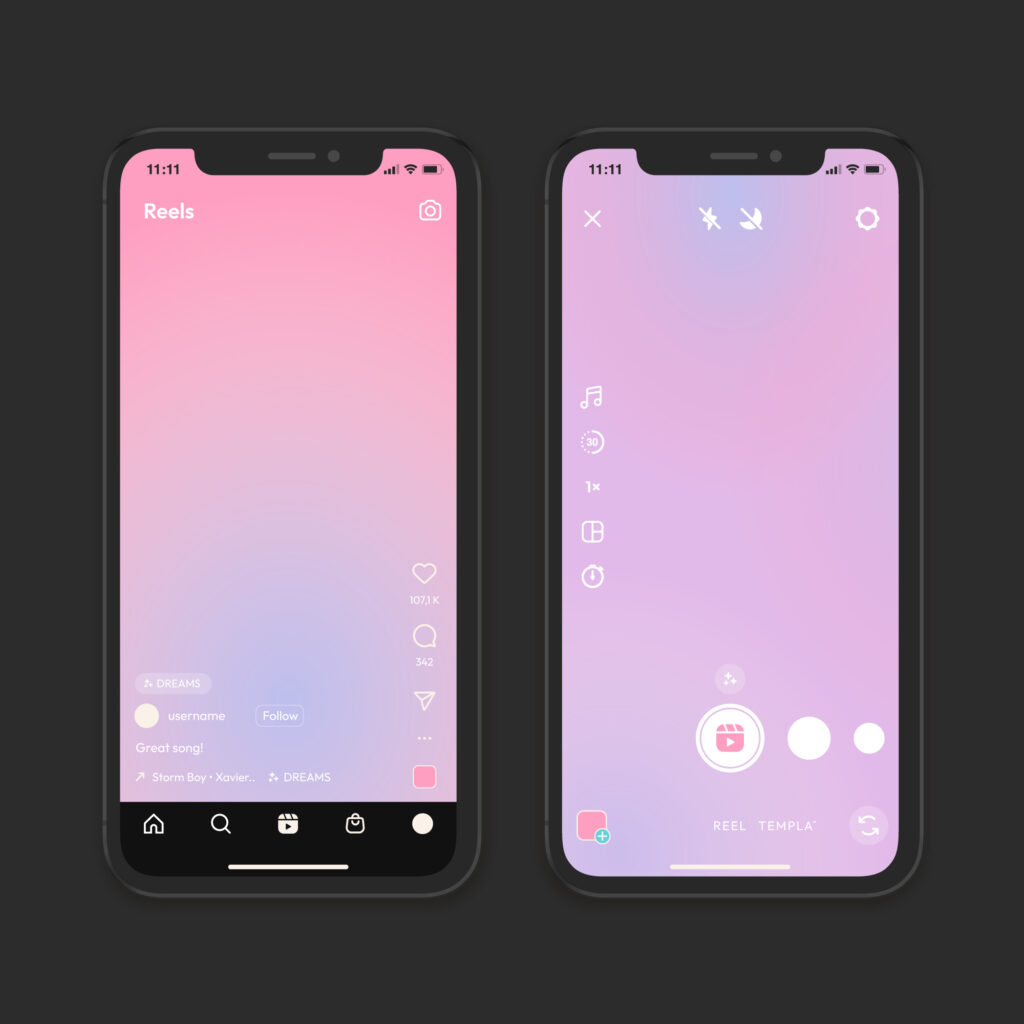
📌 Reels get more reach than posts.
📌 Shorts get more views than longer videos. 🎥👀
The edit-cut-hook-payoff format with the three-second grab and the snappy resolution is racking up numbers across every platform that runs it.
But there’s a question worth sitting with for a second.

Is it actually working? In the long run, not just in the dashboard.
Because the numbers are strong, but the outcomes are subtler than anyone wants to admit.
📌 Views are climbing📈,
📌 engagement is climbing💬,
📌 saves are climbing🔖, and
somehow the brands producing all this content still can’t quite tell you whether any of it is turning into customers, memory, or trust. Everyone’s making reels. Far fewer people are getting the thing reels were supposed to deliver.
This is the uncomfortable middle of the short-form era, and it’s where the fatigue conversation is actually coming from.
Audiences are watching differently now. Scroll any feed for a few minutes and you can feel it. The videos are fast, the edits are faster, the captions are frantic, and by the end of a ten-minute scroll you’ve consumed forty pieces of content and can’t name one of them. That’s not engagement.
That’s consumption without retention. The word that’s been attached to this experience, rightly or not, is ‘brain rot’, 🧠 and it’s worth taking seriously because the term didn’t come from marketers. It came from audiences describing how short-form video makes them feel.
When your audience starts using the phrase brain rot to describe the content you’re making, that’s data. Uncomfortable data, but data.
Which brings up the three-second rule everyone in this industry keeps parroting. If you don’t hook them in three seconds, they’ll swipe. You’ve heard it a hundred times. It’s true for some formats and some audiences, and it’s also become a crutch that’s stopped being questioned. Not every piece of content needs to panic in the first second. Some content earns attention by being worth watching rather than by ambushing the viewer into staying. If three-second hooks work for you, keep using them, there’s nothing wrong with experimenting. The problem is when the three-second rule becomes the only rule, and every brand starts sounding like every other brand because they’re all optimising for the same first frame.
⇥ So what’s replacing short-form, or at least starting to?
The answer isn’t one thing, it’s a pattern. Audiences are quietly returning to content that takes longer to tell a story, because the shorter formats stopped satisfying the thing people actually come to social media for, which is feeling something. LADbible’s interview-style videos are a good example. Real stories, real people, told at a pace that lets the viewer actually absorb what’s happening. These clips run several minutes long, which should be a death sentence by current wisdom, and they’re pulling massive engagement anyway. Because when a story is genuinely interesting, the three-second rule stops mattering. People will give you ten minutes if you earn it.
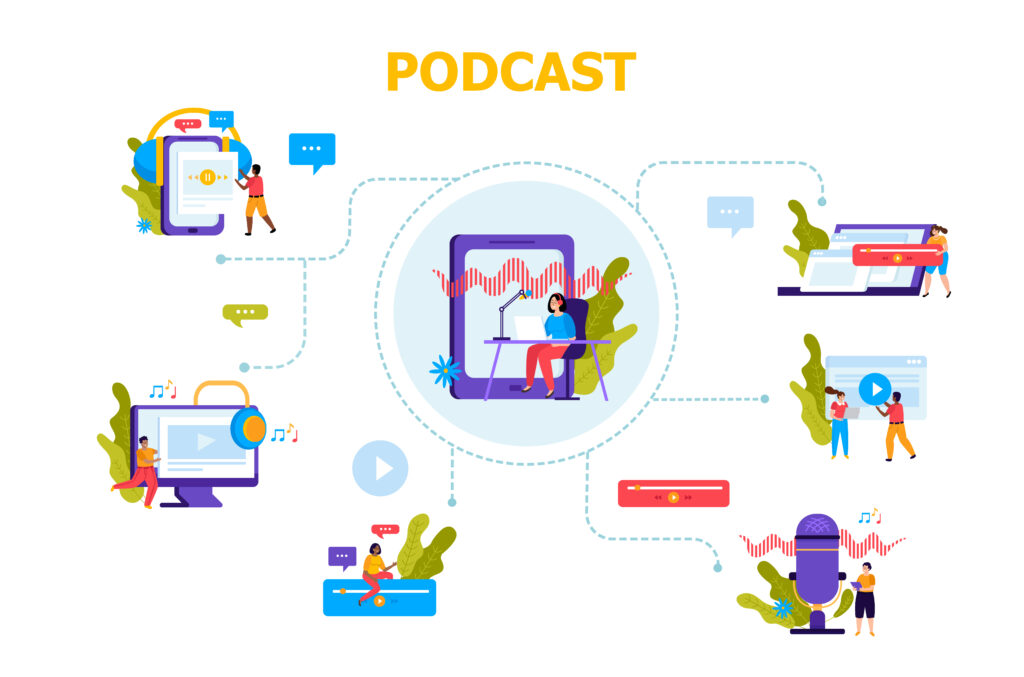
Long-form podcasts are doing the same thing in audio. Micro-documentaries are doing it in video. Narrative-led reels, the ones that actually tell a story across thirty or sixty seconds instead of just delivering punchlines, are pulling more depth than the edit-cut chaos that dominated the last two years. Behind-the-scenes content, properly done rather than performatively done, is working again. Slow content is quietly having a moment, and most brands haven’t noticed.
Most brand clients, meanwhile, are still chasing reels. And increasingly, they’re chasing AI-generated video for cost reasons, which makes sense on a spreadsheet and less sense when you think about what it does to audience trust over time. The race to produce more video, faster and cheaper, is going to collide with the slow shift in what audiences actually want to watch, and the brands paying attention to the second curve are going to quietly win while everyone else keeps optimising for the first one.
Short-form isn’t dead. It still has a role, especially for discovery and quick proof of life. But it can’t be the whole strategy anymore, and brands treating it as the whole strategy are going to find themselves with great numbers and nothing underneath them.
The content strategy worth investing in right now looks different. A mix of short-form for reach, but with longer formats underneath it that actually do the work of building trust, memory, and real audience connection. Fewer videos, made with more intention. Stories that take a minute to tell because they’re worth a minute. Conversations that run past the three-second rule because they respect the viewer enough to assume the viewer can stay.